Loading…

Premier League
Manchester United reported record revenues of £677.6 million for the 2025/26 fiscal year but also posted a widening loss of £43 million. CEO Omar Berrada stressed the need for financial discipline as the club pushes ahead with plans for a new 100,000-seat stadium.
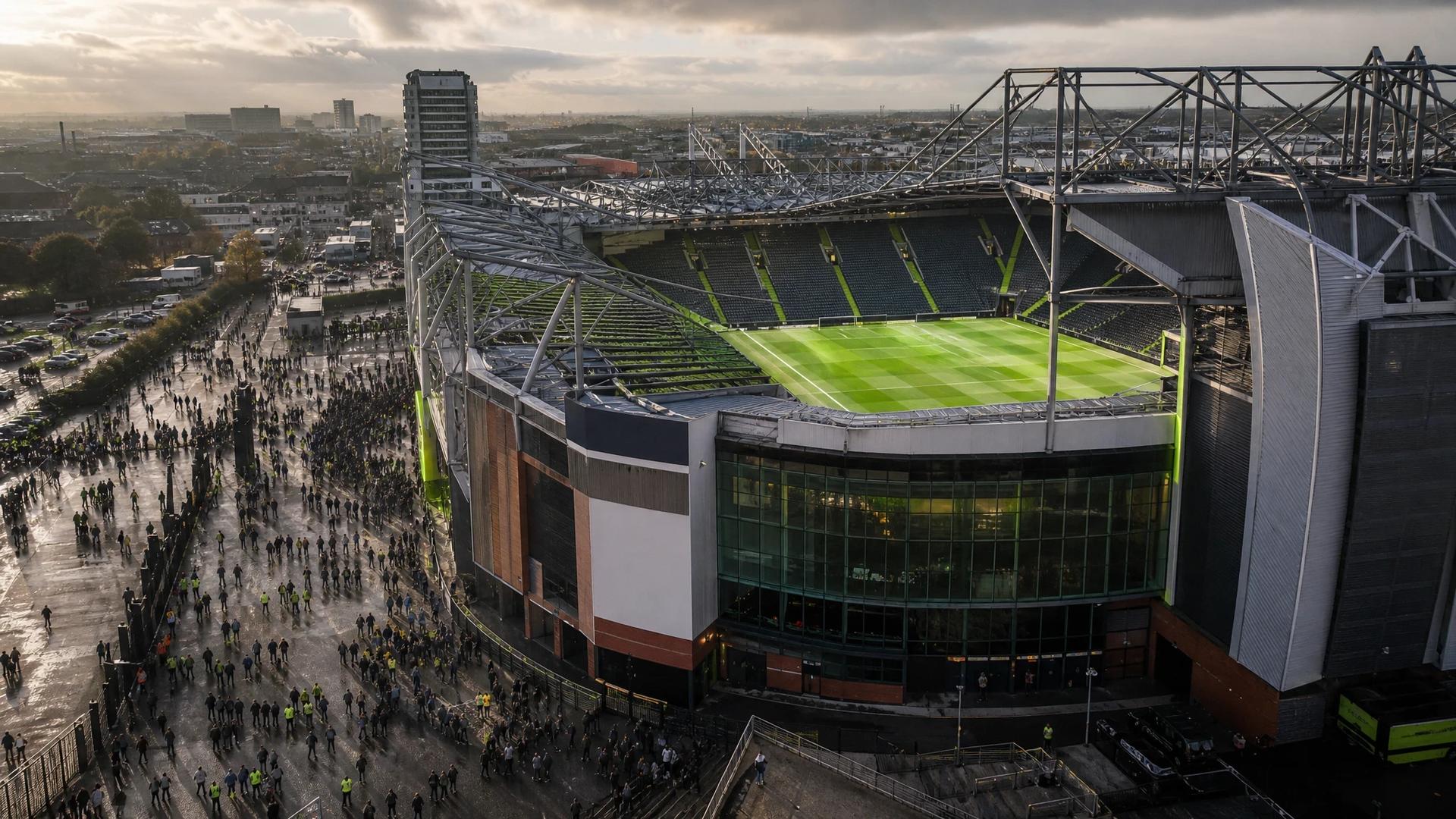
Manchester United posted record revenues of £677.6 million for the 2025/26 fiscal year, a 1.7 per cent increase on the previous year's £666.5 million. On paper, that sounds like progress. Dig a little deeper, though, and the picture gets murkier. The club also recorded an overall loss of £43 million, a significant jump from the £33 million loss reported the year before. More money coming in, more money bleeding out. For anyone tracking the financial trajectory at Old Trafford, that is a trend worth watching closely.
The club did manage a full-year operating profit of £22.6 million, crediting cost reductions driven by Sir Jim Ratcliffe's ownership influence and an improved third-place Premier League finish in 2025/26. That league position matters: higher finishes mean bigger broadcast payouts and stronger commercial leverage. But the gap between operating profit and the bottom-line loss tells its own story about the structural costs still weighing on the club.
Here is the uncomfortable truth that no record revenue figure can paper over: Manchester United's debt continues to rise. The club pointed to shifting interest rates and bond refinancing as contributing factors, but the trajectory is unmistakable. For a club generating north of £677 million annually, the inability to bring debt under control raises serious questions about long-term sustainability and the freedom to invest on the pitch.
CEO Omar Berrada struck an optimistic tone, expressing satisfaction with the record revenue numbers while stressing the need for continued financial discipline to stabilise the business. That language, "stabilise the business," is telling. This is not a club declaring victory. It is a club still trying to find solid ground.
On the commercial front, Manchester United have been busy. The club announced Betway as their new Training Kit partner and SumUp as their new Sleeve partner, both deals that contribute to the revenue growth. United's commercial machine has long been one of the most powerful in world football, and these partnerships suggest the brand still carries enormous pull in the global market.
Perhaps the most ambitious development, however, lies beyond the balance sheet. Manchester United confirmed they have secured the land needed to move forward with plans for a new 100,000-seat stadium. That is a colossal project, one that would give the club the largest club ground in English football and fundamentally reshape matchday revenues. The question for fans and financial observers alike is straightforward: how do you fund a mega-stadium when your debt is still climbing and your annual losses are growing?
Manchester United remain one of the highest-earning clubs in European football. Nobody disputes that. But revenue alone does not win titles, and it certainly does not guarantee financial health. The 2025/26 results paint a portrait of a club caught between ambition and reality. Sir Jim Ratcliffe's cost-cutting measures are showing results at the operating level, but the broader financial structure still needs significant work.
For bettors and analysts tracking the Premier League landscape, the key takeaway is nuanced. United's on-pitch improvement to third place provided a financial lift, and the new commercial partnerships add incremental revenue. But rising debt and expanding losses mean the club's transfer spending and squad-building capacity could face constraints. In a league where Manchester City, Arsenal, and others continue to invest aggressively, United cannot afford to let financial drag slow their competitive momentum.
Omar Berrada's message of discipline is the right one. Whether the club can actually deliver on it, while simultaneously pursuing a stadium project of historic scale, will define this era of Manchester United's history.
Jon