Loading…

Premier League
A bold new law targeting goalkeepers who fake injuries to create tactical timeouts is on the verge of being trialled across English football. If approved by IFAB, the rule could debut in this Saturday's Carabao Cup clash between Tranmere Rovers and Rochdale.
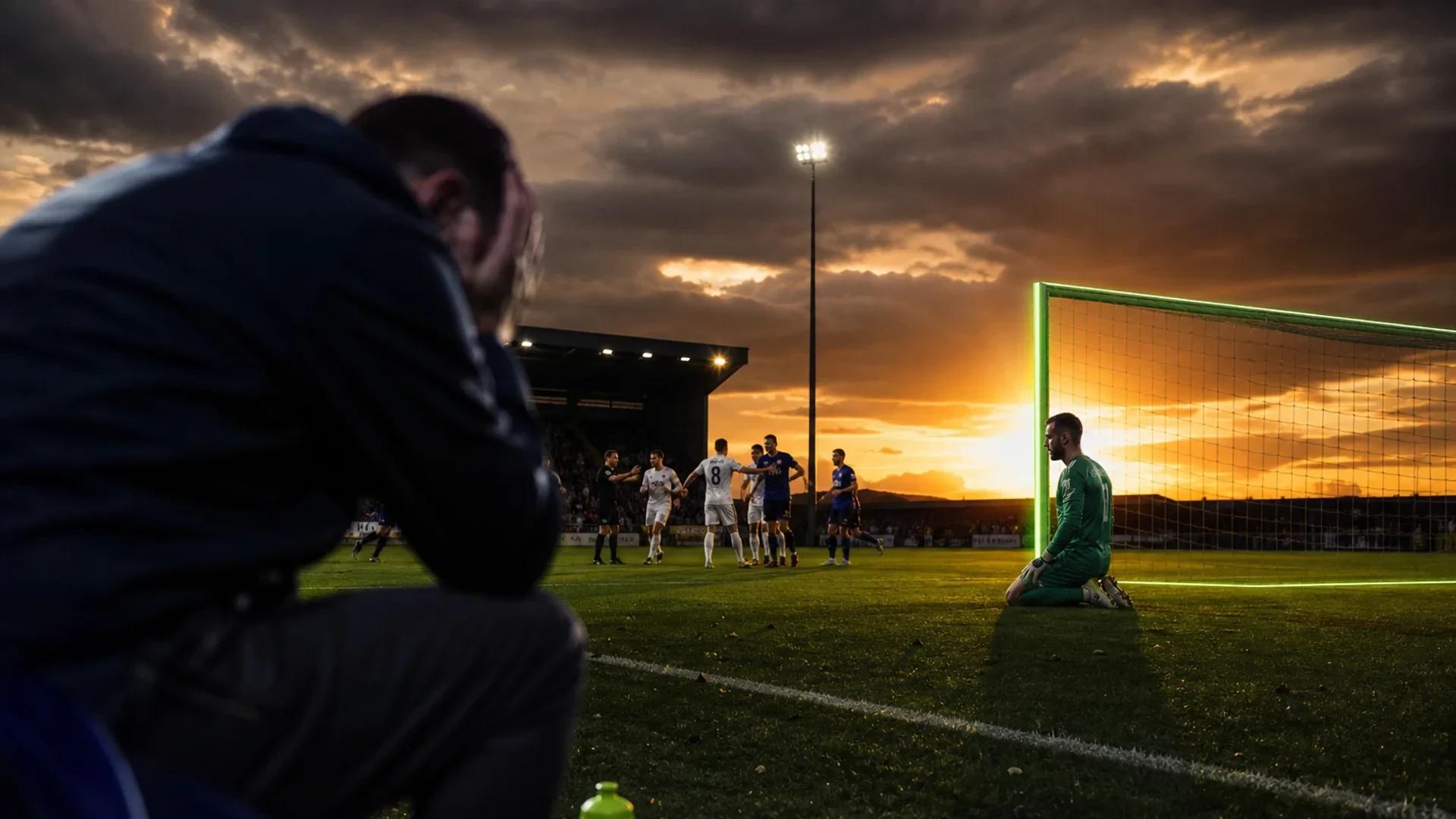
English football is about to draw a line in the sand. A radical new law designed to punish goalkeepers who fake injuries to engineer tactical timeouts is on the verge of being trialled across the Premier League, English Football League, National League, and Women's Super League. If the International Football Association Board (IFAB) gives the green light in time, the rule could make its competitive debut as early as this Saturday in the Carabao Cup preliminary round clash between Tranmere Rovers and Rochdale at Prenton Park.
Let that sink in: one of the most infuriating tactics in modern football might finally have a genuine deterrent attached to it.
The mechanism is blunt, and deliberately so. Under the proposed law, whenever a referee permits a physio to come onto the pitch to treat a goalkeeper, the team's manager must immediately nominate an outfield player to leave the field for one minute. If the manager fails to make a selection within ten seconds, the team captain is automatically pulled off the pitch.
That means a side could be reduced to ten players for 60 seconds simply because their keeper decided to take a seat on the turf. For teams protecting a narrow lead late in a match, that calculus changes everything. The cost of buying time just went through the roof.
This didn't happen in a vacuum. The issue exploded into mainstream debate last season after Leeds United manager Daniel Farke publicly accused Manchester City goalkeeper Gianluigi Donnarumma of feigning injury to "bend the rules" and disrupt the flow of play. Farke's frustration resonated because every fan, pundit, and manager had seen it happen dozens of times: a goalkeeper dropping to the ground at a suspiciously convenient moment, forcing an extended stoppage while the opposition's momentum evaporates.
It had become one of football's open secrets. Everyone knew it was happening, but there was no real punishment, no disincentive beyond a few disapproving headlines. Donnarumma's case simply became the tipping point.
The Football Association, Premier League, English Football League, National League, and Women's Super League have all agreed to adopt the trial. The only thing standing between the proposal and live implementation is IFAB approval. If that clearance arrives in time, Saturday's Tranmere Rovers versus Rochdale tie becomes the test case. The first Premier League match set to feature the rule would be Arsenal's season opener against Coventry City.
The authorities have been careful to build in exemptions so the law doesn't punish legitimate injuries. If a goalkeeper states they don't need treatment and they haven't caused the stoppage, no outfield player will be removed. Similarly, if the injury results from a collision between the goalkeeper and an outfield player, the penalty won't apply.
Officials will also not prevent players from visiting the touchline while treatment is being administered. The idea is to act as a preventative measure rather than a reactive one. The hope is straightforward: the threat of playing a man down for a full minute will be enough to make keepers think twice before hitting the deck without good reason.
England isn't operating in isolation here. The Australian A-League is set to trial its own variation of the rule, with a slightly different twist: the captain will always be the player required to leave the pitch, removing the manager's choice from the equation entirely.
Not everyone is convinced, though. Critics have raised legitimate concerns about unintended consequences. If the punishment for receiving treatment is losing an outfield player for a minute, some worry that goalkeepers (and outfield players, for that matter) might try to play through genuine injuries rather than risk putting their team at a numerical disadvantage. That's a player welfare issue that authorities will need to monitor closely throughout the trial period.
For bettors and fans alike, this rule change could subtly reshape late-game dynamics across the 2026-27 season. Teams sitting on a one-goal advantage in the closing stages will no longer be able to rely on their keeper buying 90 seconds of dead time without consequence. In-play markets could see sharper swings if sides are temporarily reduced to ten players at critical moments. And managers who have built their defensive strategies around controlling tempo through stoppages will need to adapt quickly.
Whether you love it or hate it, English football is about to find out what happens when you force teams to put up or shut up on goalkeeper gamesmanship. Saturday at Prenton Park could be the beginning of a very different era.
Jon