Loading…

Premier League
Fenway Sports Group have confirmed discussions with a consortium led by Amit Bhatia over a minority stake in Liverpool Football Club, with reports valuing the Reds at over $6 billion. The talks remain in their early stages, but the implications are enormous.
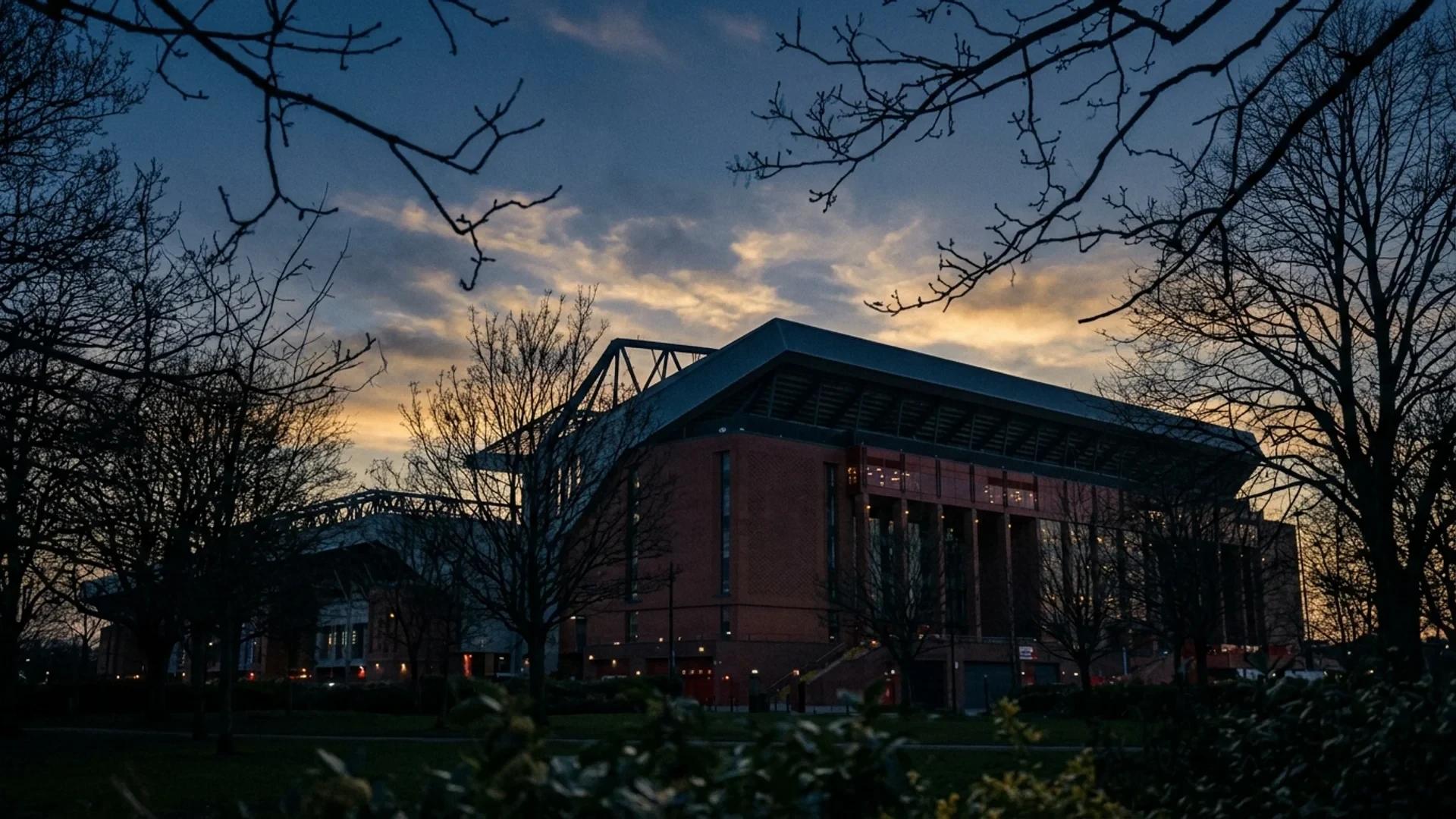
Liverpool Football Club find themselves at the centre of another blockbuster ownership conversation. Fenway Sports Group have confirmed they are in active discussions with a consortium led by British-Indian businessman Amit Bhatia over a strategic minority stake in the club, a development that could value the Reds at north of $6 billion.
Let that number breathe for a moment. Six billion dollars. For a minority share. That is where Liverpool sit in the global football marketplace right now, and it tells you everything about the financial arms race at the top of the Premier League.
If the name sounds familiar to English football followers, it should. Amit Bhatia spent 18 seasons as a director and co-owner of Queens Park Rangers before stepping down from the board. He is also the son-in-law of Lakshmi Mittal, the steel magnate and one of the wealthiest people on the planet. This is not some speculative outfit knocking on the door; this is serious, connected money backed by a figure who already understands the rhythms and politics of English football ownership.
Bhatia's time at QPR gave him a front-row seat to the realities of running a football club, from boardroom battles to Championship struggles. Liverpool, obviously, is a different universe entirely. But the experience is notable, and it separates this bid from the kind of vanity projects that periodically circle Premier League clubs.
Fenway Sports Group are no strangers to this dance. Back in 2023, FSG sold a minority stake to Dynasty Equity, a deal that allowed the American ownership group to bring in fresh capital without relinquishing control. If a deal with Bhatia's consortium materialises, it would follow a strikingly similar template: new investment, same power structure.
That is the critical detail here. FSG are not selling Liverpool. They are not walking away. What they appear to be doing is exactly what smart sports ownership groups across the globe have been doing for years: monetising equity while maintaining operational authority. It is a model that keeps the books healthy, funds ambition, and avoids the chaos of a full-scale takeover.
For supporters, the immediate question is straightforward: does this change anything on the pitch? In the short term, probably not. FSG remain in charge, and the footballing infrastructure built under their watch, from the training ground to the scouting network, stays intact. But fresh capital from a consortium with deep pockets could, in theory, give the club additional financial muscle in the transfer market and in long-term infrastructure projects.
For those watching the Premier League betting landscape, Liverpool's positioning as a $6 billion-plus asset underlines the club's status as genuine, sustained contenders. Ownership stability matters. Financial firepower matters. And when a club of Liverpool's stature attracts this calibre of investor, it signals confidence in the project's trajectory.
It is worth emphasising that nothing is finalised. FSG's statement confirmed interest and discussions, not a completed transaction. These talks are described as being in their early stages, and anyone who has watched football ownership negotiations unfold knows how quickly they can stall, shift, or collapse entirely.
But the mere confirmation that FSG are at the table with Bhatia's group is significant. It means the numbers are in the right postcode, the intent is genuine, and both sides see enough potential overlap to keep talking. In the world of multi-billion-pound sports deals, that is not nothing.
Liverpool's story under FSG has been defined by shrewd financial management layered on top of elite footballing ambition. If Amit Bhatia and his consortium become part of that story, it could mark the next chapter in the club's evolution as both a sporting powerhouse and a global business behemoth. The question now is simple: can they get the deal over the line?
Jon