Loading…

Premier League
Bukayo Saka's hat-trick powered England to a 6-4 victory over France in the 2026 World Cup third-place playoff, but Thomas Tuchel's decision to leave the Arsenal star out of the semi-final against Argentina continues to cast a long shadow over the campaign.
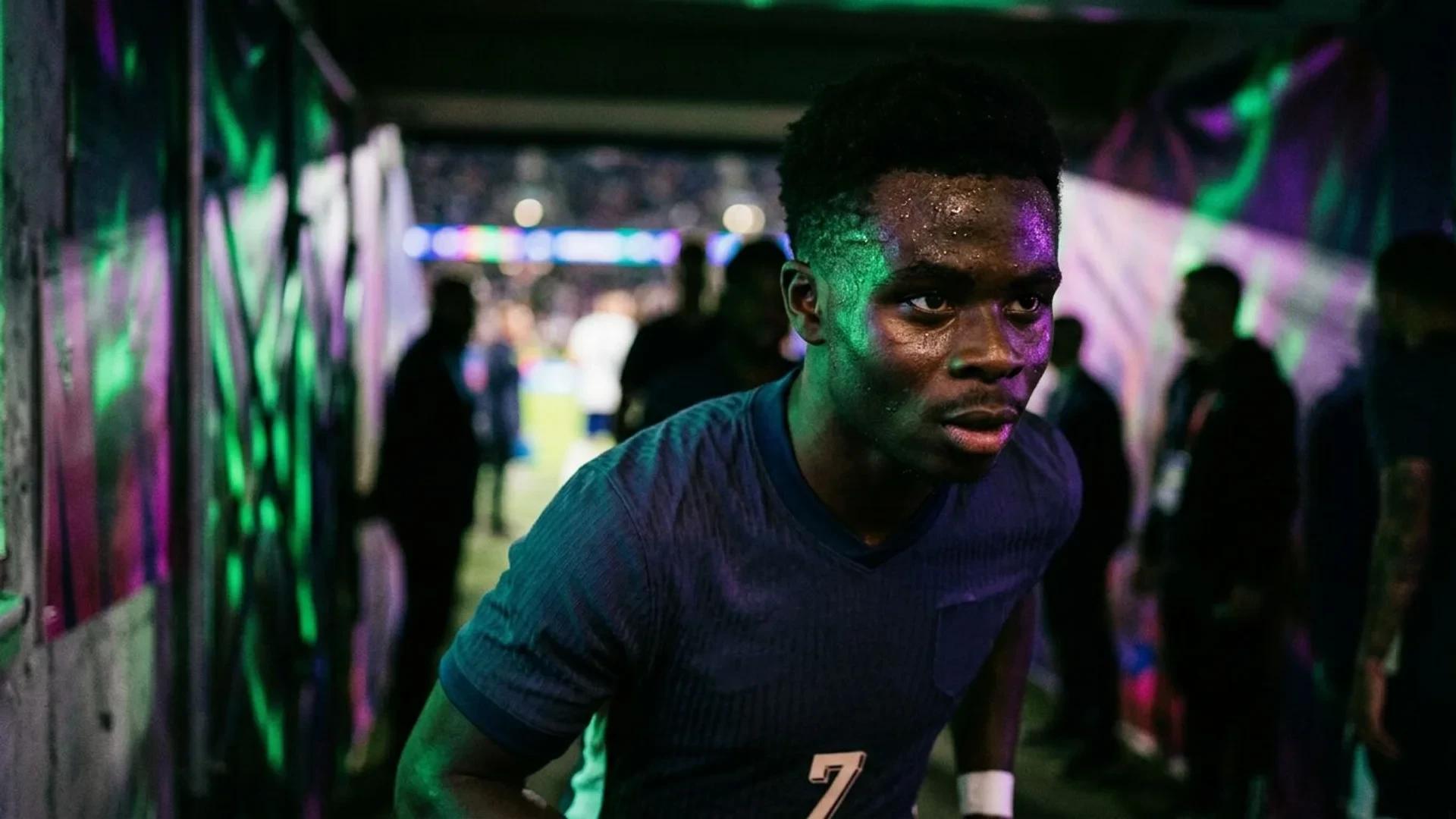
England claimed the bronze medal at the 2026 World Cup with a wild 6-4 victory over France in Miami, but the scoreline only tells half the story. The third-place playoff was a spectacle, a chaotic, wide-open contest that gave fans one of the most entertaining matches in tournament history. And yet, for England supporters, one nagging question refused to go away: why wasn't Bukayo Saka on the pitch for the semi-final?
Saka was sensational against France, scoring a hat-trick as England raced into a stunning 4-0 lead at half-time. The Arsenal star was unplayable in the first 45 minutes, terrorising the French defence and looking every inch the difference-maker England desperately needed when they fell to Argentina in the semis. That he was left out of that match is a decision that will follow Thomas Tuchel for a long time.
After the final whistle, Tuchel was pressed on his decision to omit Saka from the starting line-up against Argentina. The England manager acknowledged Saka's quality and his devastating display against France, but his explanation was far from convincing. Tuchel admitted he simply "had a feeling" about another player for that match. A feeling. In a World Cup semi-final.
That kind of gut-instinct gamble can define a manager's legacy. When it works, you look like a genius. When it doesn't, and your side crashes out of a World Cup, the scrutiny is relentless. Saka himself made his feelings known after the France game, stating he was fit and ready, and expressing a clear desire to have played more for England throughout the tournament. The subtext was impossible to miss.
As impressive as England were in the first half, the second period belonged to France. Kylian Mbappé ignited the comeback shortly after half-time with a goal that drew him level with Lionel Messi as the World Cup's all-time leading scorer. Then he struck again, moving to 22 career World Cup goals and claiming the record outright. Whether you rate the third-place match or not, Mbappé's hunger to etch his name above Messi's in the history books was unmistakable.
Michael Olise was equally brilliant for Les Bleus, registering two assists on the night to break a record that had stood for decades. The former mark for most assists in a single World Cup tournament belonged to Pelé, and Olise surpassed it with an audacious, creative performance that underlined his growing stature on the global stage.
France scored four goals in the second half to make the contest genuinely nervy for England. A 4-0 lead at the break should have been comfortable, but the French response exposed defensive frailties that Tuchel's side struggled to contain. In the end, England found enough composure to add two more and seal the win at 6-4, but the manner of the second-half collapse will concern anyone looking at this squad's mentality under pressure.
Declan Rice struck an optimistic tone after the match, emphasising the squad's pride in finishing third and highlighting the group's potential for the future. It is a fair point: this is a young, talented England team with years of development ahead. But "potential" and "pride" are cold comfort when you consider how close they were to a World Cup final.
The bottom line is this: England are going home with a bronze medal, a Bukayo Saka hat-trick to savour, and a lingering sense of what might have been. Tuchel's semi-final selection will be debated endlessly, and rightly so. When your best attacking weapon delivers a performance like that against France, the question practically asks itself: what would have happened if he had started against Argentina?
Jon